Determining multi-level factors in communication outcomes in autism
Key Facts
1 of 19
Youth receives an autism diagnosis, in California, which is higher than national estimates of 1 in 31
>1.2 Million
Autistic youth in the U.S. will become adults in the next decade
$461B
Estimated cost of autism-related care in the U.S., as of 2025, that is growing
Project Summary
In the U.S., one in 31 children receives an autism diagnosis. Many face challenges with communication, which can affect their health, relationships, and quality of life. These challenges can become even harder when they prepare to enter adulthood and age out of child- and school-based services and supports.
This project will study how different factors contribute to communication outcomes in autism. These factors include person-level characteristics, such as language skills, and outside influences, like access to services and community resources. By looking at different types of factors, the project aims to better understand what helps or hinders communication outcomes in autism.
What this new project will do
Data Analysis
Analyze a large dataset to learn about communication in autism.
Study Patterns
Identify how communication changes over time, especially during the transition to adulthood.
Identify Support
Determine how to improve communication, such as family networks or services from community programs.
Share findings
Communicate findings to healthcare providers, educators, and families to help improve support systems.
Why This Research Matters
Communication is a key part of everyday life. Whether someone is autistic or not, communication challenges can lead to greater stress, isolation, and health conditions.
Understanding what shapes communication outcomes in autism can help inform how to create better support systems
Guide future programs to support communication in the transition to adulthood
Help communities know how to provide the right kind of support
This research will help make sure that autistic people get the support they need to live healthy, fulfilling lives.
Project Team
Project Lead
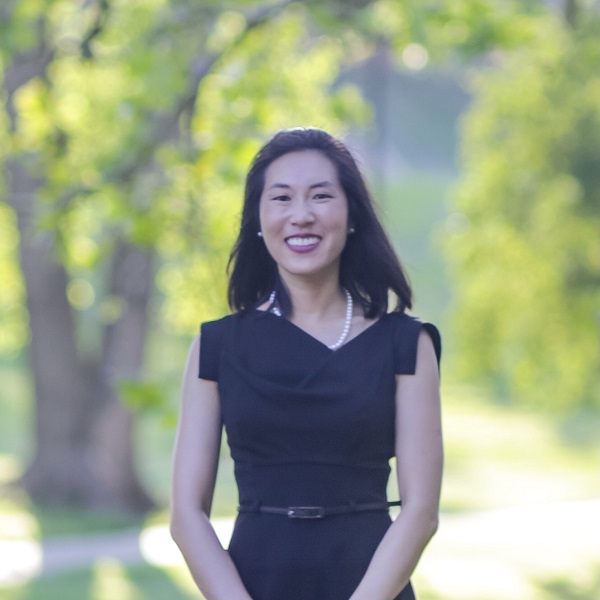
Dr. Teresa Girolamo, PhD
Assistant Professor, School of Speech, Language, and Hearing Sciences, SDSU